Abandoned carts
Twenty percent of users abandon a cart when the transaction process is too slow. Speed is a checkout feature.

Frustration hurts your users and hurts your rankings. Google's research found that 53% of mobile visitors leave a page that takes longer than three seconds to load, and every study of consumer behavior says the same thing: speed changes outcomes. We find what is slowing your site down and fix it, on the site you have now.
Users do not like to be frustrated. Those behaviors are tracked, and they are a strong signal that a page should not be ranking where it was.
Twenty percent of users abandon a cart when the transaction process is too slow. Speed is a checkout feature.
Core Web Vitals are part of how Google evaluates page experience, and bounces back to the results page signal that a page should not rank where it does.
Poor experiences create high bounce rates. Visitors go elsewhere, visit other websites and convert with competitors.
Google developed a standardized set of metrics to help developers understand how users experience a page. They identify issues in three areas: loading, interaction and visual stability.
How fast the largest image or text block renders. Good: 2.5 seconds or less. Waiting too long for content to appear is the top reason visitors bounce.
How quickly the page responds when someone taps or clicks. Replaced First Input Delay in 2024. Good: 200 milliseconds or less.
How much the layout moves after it first renders, such as a button that jumps as an ad or image loads. Good: 0.1 or less.
Speed work is a list of specific, measurable changes. These are the ones that move Core Web Vitals most.
We tailor each client's website and digital marketing to strategies with proven success, and we achieve award-winning results. Speed work is done by the developers who build our sites, measured with Google's own tools, and reported in numbers you can verify in Search Console.
Your key pages tested on mobile and desktop, Core Web Vitals status, the causes ranked by impact and a quote to fix them.
Slow, fragile sites replaced with fast ones. Vadiance loads faster and converts in fewer steps; TrueSport consolidated three slow sites into one.

A brand-first ecommerce redesign that loads faster and takes shoppers from discovery to checkout in fewer steps.
View the case study
Three separate websites consolidated into one modern, fast site with a working store and pages the team can edit themselves.
View the case study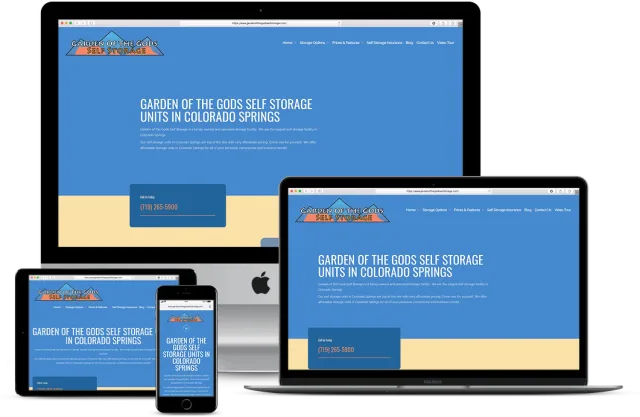
A dated, fragile site replaced with a clean design and a stable back end. Organic traffic later grew more than 1,000% with SEO.
View the case studyPage speed measures how fast the content of one page loads. Site speed is how quickly a browser can load pages from your site in general. Both affect rankings and conversions; we measure both and fix the pages that matter most first.
Google's standardized metrics for how users experience a page: loading performance (Largest Contentful Paint), responsiveness to interaction (Interaction to Next Paint) and visual stability (Cumulative Layout Shift). Google reports them per page in Search Console, using data from real Chrome users.
Yes. Page experience, including Core Web Vitals, is part of how Google evaluates pages, and speed shapes the behavior Google can observe: bounces back to the results page, short visits and abandoned sessions. Faster pages also get crawled more efficiently.
Usually. Most speed problems come from images, scripts, plugins, hosting and caching, all of which can be fixed in place. We tell you up front if the platform or theme is the real limit and a rebuild would be the better investment.
Field and lab data for your key pages on mobile and desktop, the Core Web Vitals status of each, the specific causes ranked by impact, and a quote for fixing them. Delivered in plain English with the technical detail attached.
Most sites are measurably faster within one to two weeks of work. Core Web Vitals in Search Console update from real-user data over the following 28 days, so the official "good" status follows a few weeks after the fixes.
Send your website address. We will test your key pages on mobile and desktop, report your Core Web Vitals and tell you exactly what is slowing them down.
Tell us your web address and we will send a plain-English review of what is holding your site back. No cost, no obligation.